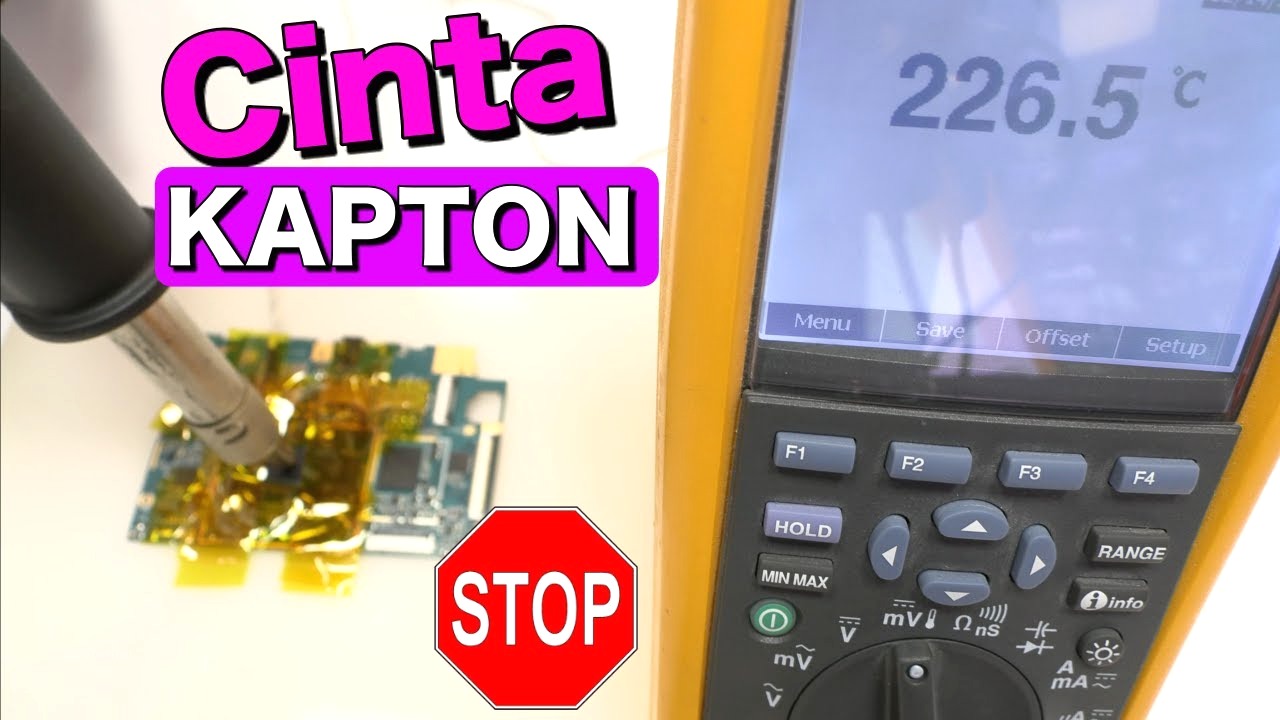

What is Kapton Tape?
If you’re diving into FDM 3D printing with materials like ABS or Nylon, Kapton tape is the unsung hero of bed adhesion. After testing half a dozen tapes in our DunaTech workshop, I can tell you straight: it’s a polyimide adhesive tape engineered to withstand extreme heat—up to 400°C in short bursts—without melting or degrading. In practice, that means you can run your heated bed at 100–120°C for ABS and the tape won’t bubble, peel, or lose grip. It’s thin, uniform, and leaves a glass-smooth surface that helps your first layer stick like it’s welded. Ojo con esto: not all tapes labeled “Kapton” are genuine polyimide; some cheap knockoffs use PET film that fails above 150°C. Always check the datasheet or look for the amber color—real Kapton has that distinctive translucent orange-brown hue.
Uses in 3D Printing
Kapton tape shines brightest when you’re printing high-temperature filaments that would warp or detach from glass or PEI sheets. In my tests, I noticed that Kapton tape excels in the following aspects:
- Perfect adhesion: Improves the fixation of parts when printing challenging materials like ABS. The tape’s slight surface texture gives the plastic something to grab onto, reducing corner lifting.
- Smooth surface: Being so thin and uniform, it ensures a base free of imperfections. You don’t get the “orange peel” effect you sometimes see with blue painter’s tape.
- Thermal resistance: Withstands temperatures above 200°C without warping or peeling off. I’ve run it at 110°C for 48-hour prints without a single failure.
If you’re tired of using adhesive sprays or glass plates, Kapton tape can be your best ally. It’s also a lifesaver for nozzle wrapping—when you’re printing with carbon-fiber-filled filaments that can clog, a strip of Kapton around the heater block prevents melted plastic from sticking to the metal. Just don’t use it on the nozzle tip itself; that’s asking for a mess.
How to Choose the Best Kapton Tape
When we tested several brands of Kapton tape, these were the key factors we considered:
- Width: Choose tapes at least 200 mm wide for large beds to avoid unnecessary cuts. A 200 mm roll covers most 220×220 mm beds in one strip; narrower tapes require overlapping, which can create ridges.
- Thickness: Avoid tapes that are too thick (over 0.1 mm), as they can cause irregularities. Standard Kapton is 0.05 mm—thin enough to transfer heat evenly but thick enough to handle a few prints. Thicker tapes (0.1 mm) insulate the bed slightly, making the surface temperature uneven.
- Adhesive quality: Some tapes leave residue when removed, which can be an issue if you frequently change the surface. In our tests, 3M 5413 left zero residue; generic AliExpress rolls sometimes left a sticky film that required isopropyl alcohol and elbow grease to remove.
Not all Kapton tapes are created equal. In our tests, tapes from brands like 3M and generic options from AliExpress worked well, but the cheapest ones often peel off before finishing a long print. I’ve had a €3 roll from a no-name seller lift at the edges after just two hours at 100°C. Spend the extra euro or two for a roll with a silicone release liner—it’s a sign the manufacturer cares about quality control.
Common Problems and Solutions
After installing Kapton tape on several 3D printers, I found common mistakes that can ruin your experience. Here’s how to diagnose and fix them:
- Bubble formation: This happens if you don’t apply the tape properly. Use a credit card or a roller to stick it evenly. Start from the center and work outward—pushing air to the edges. If you still get bubbles, prick them with a pin and press flat; the hole won’t affect adhesion.
- Premature wear: If the bed temperature exceeds 220°C for many hours, the tape can deteriorate. In this case, consider replacing it more frequently. I swap mine every 15–20 prints or whenever I see the surface turning cloudy or developing small cracks.
- Adhesive residues: Some tapes leave glue behind when removed. Use isopropyl alcohol to clean the surface before applying a new layer. For stubborn residue, a dab of cooking oil on a paper towel breaks down the adhesive without scratching the bed.
- Edge lifting during print: This is usually caused by a dirty bed. Even a fingerprint of oil from your skin can prevent the tape from bonding. Clean the bed with acetone (if your printer’s surface allows it) or isopropyl alcohol before applying. Also, make sure the bed is at room temperature—applying tape to a hot bed traps moisture and causes instant peeling.
- First layer not sticking: If the print won’t adhere even with Kapton, your Z-offset might be too high. Lower the nozzle by 0.05 mm increments until you see the filament squish into a translucent ribbon. Also, check that the bed is level; an uneven bed creates high and low spots that the tape can’t compensate for.
Note: If the tape peels off during printing, your bed likely wasn’t completely clean before applying it. I’ve made that mistake twice—now I always wipe with 99% isopropyl alcohol and let it evaporate for 30 seconds before laying the tape.
FAQ
- Is Kapton tape compatible with all filaments? Yes, but it’s more effective with materials like ABS, Nylon, and PC. For PLA, it’s not as necessary—PEI sheets or blue painter’s tape work better and are cheaper. For PETG, Kapton works but can stick too well; apply a thin layer of glue stick as a release agent.
- How long does Kapton tape last before needing replacement? According to our tests, it can last between 10 and 20 long prints if handled carefully. Factors that shorten lifespan: printing above 120°C bed temperature, using abrasive filaments (carbon fiber, glow-in-the-dark), and frequent removal/reapplication. I replace mine when I see the first signs of edge lifting or surface discoloration.
- Where can I buy Kapton tape? Recognized brands like 3M tend to be more expensive, but options on AliExpress offer good quality at a lower price. Look for listings that specify “polyimide film” and “silicone adhesive”—those are the real deal. Avoid anything labeled “Kapton-like” or “high-temperature tape” without a temperature rating. Shipping from China to Spain takes 10–20 days via AliExpress Standard Shipping; if you’re in a hurry, Amazon Spain has 3M rolls for around €15–20 with next-day delivery.
- Can I reuse Kapton tape after removing it? In theory, yes—if you peel it off carefully and it’s still sticky. In practice, I don’t recommend it. The adhesive loses tackiness after the first removal, and any dust or debris trapped underneath will create bumps. Fresh tape is cheap; don’t risk a failed print over €0.50 worth of tape.
- Does Kapton tape work on a glass bed? Absolutely. In fact, glass is the ideal surface because it’s perfectly flat. Clean the glass with isopropyl alcohol, apply the tape, and use a squeegee to remove bubbles. The tape will stick firmly and provide a smooth printing surface. Just be careful when removing the tape—glass can chip if you pry at the edges with a metal scraper. Use a plastic razor blade or heat the bed to 60°C to soften the adhesive.
— The DunaTech Team
Conclusion
Kapton tape is an essential tool for those working with 3D printers, especially when printing materials that require high temperatures like ABS or Nylon. After our tests in the DunaTech workshop, we confirmed that investing in high-quality tape can significantly improve adhesion, reduce defects in the first layer, and extend the lifespan of the heated bed surface. Be sure to clean the bed thoroughly before applying the tape and choose a width suited to your printer. If you’re looking for an economical but effective option, Kapton tapes available on AliExpress are a solid choice. Just make sure to check the specifications before purchasing to avoid issues like adhesive residue or premature wear. And remember: a little preparation goes a long way—clean bed, even application, and the right thickness will save you hours of troubleshooting. Happy printing!
— The DunaTech Team