
Introduction
At DunaTech, we tested over 12 PETG filaments in our workshop to identify which ones offer the best quality, durability, and ease of printing. PETG has become a favorite for many due to its balance between toughness and ease of use, but not all filaments are created equal. Below, we present a detailed comparison based on our tests. Whether you’re printing mechanical brackets, RC car parts, or outdoor enclosures, picking the right PETG can make or break your project. We’ll break down real-world performance, common pitfalls, and how to dial in your settings for each brand.
Analysis of Popular Brands
1. Esun PETG
After printing more than 10 parts with this filament, I was impressed by its consistent diameter. This helps prevent extruder clogs. Additionally, it boasts excellent impact resistance. However, it requires a high bed temperature (around 80°C), which might be an issue for more basic printers. In my experience, Esun PETG shines when you need parts that can take a beating — think drone frames or tool holders. The layer adhesion is top-notch, and I’ve had zero delamination even on tall prints. One thing to watch: it’s hygroscopic, so store it in a dry box or dry it before use if it’s been sitting out for a week.
**Pros:**
– Consistent diameter.
– Good impact resistance and flexibility.
– Wide range of available colors.
**Cons:**
– Requires higher bed temperatures.
– Can be tricky to adhere without using hairspray or Kapton tape.
👉 Click the button below to check if the price has dropped even further and to grab the seller’s coupons available today!
View Current Price and Coupons on AliExpress
2. Sunlu PETG
In my tests, Sunlu stood out for its ease of printing. Initial adhesion is nearly perfect with a heated bed set to 70°C. However, I noticed it tends to produce more stringing if the retraction settings are not properly adjusted. For beginners or those who want a hassle-free experience, Sunlu is a solid pick. I’ve printed large vase-mode planters with it, and the surface finish is glossy and smooth. The trade-off? You’ll need to fine-tune retraction — I found 5 mm at 45 mm/s works well on a direct-drive setup. Also, the color selection is narrower than Esun’s, but the standard black and white are excellent.
**Pros:**
– Excellent initial adhesion.
– Fewer warping issues on large parts.
– Competitive price.
**Cons:**
– Produces more stringing if retraction is not optimized.
– Fewer color options compared to other brands.
👉 Click the button below to check if the price has dropped even further and to grab the seller’s coupons available today!
View Current Price and Coupons on AliExpress
3. Overture PETG
Overture PETG is a dark horse that deserves attention. It offers a great balance between price and performance. I’ve used it for functional prototypes that needed to withstand UV exposure, and it held up well after months outdoors. The diameter tolerance is tight — ±0.03 mm — which means fewer extrusion inconsistencies. One downside: it can be a bit brittle compared to Esun, so avoid using it for parts that will flex repeatedly. For rigid brackets or enclosures, though, it’s hard to beat at this price point.
**Pros:**
– Tight diameter tolerance.
– Good UV resistance.
– Affordable.
**Cons:**
– Slightly more brittle than competitors.
– Requires a clean build surface for first layer.
4. Polymaker PolyLite PETG
Polymaker’s PolyLite PETG is a premium option that delivers consistent results. I’ve printed detailed miniatures with it, and the layer lines are barely visible at 0.12 mm layer height. It’s also less prone to stringing than Sunlu, even at higher temperatures. The catch? It’s pricier — around $35 per kg. But if you need a filament that works out of the box with minimal tuning, this is it. I recommend it for projects where aesthetics matter, like display models or custom phone stands.
**Pros:**
– Excellent surface finish.
– Low stringing.
– Wide printing temperature range (230-250°C).
**Cons:**
– Higher cost.
– Limited color selection.
Common Problems and How to Solve Them
PETG is known for its toughness, but it can also be tricky if you don’t adjust your settings properly. Here are the most common issues and how we solved them at DunaTech:
– **Stringing (threads between parts):** Set retraction to 4-6 mm and increase retraction speed to 40 mm/s. If that doesn’t work, lower the nozzle temperature by 5°C increments — I’ve found 235°C often reduces stringing without affecting layer adhesion. For direct-drive extruders, try 1-2 mm retraction at 50 mm/s.
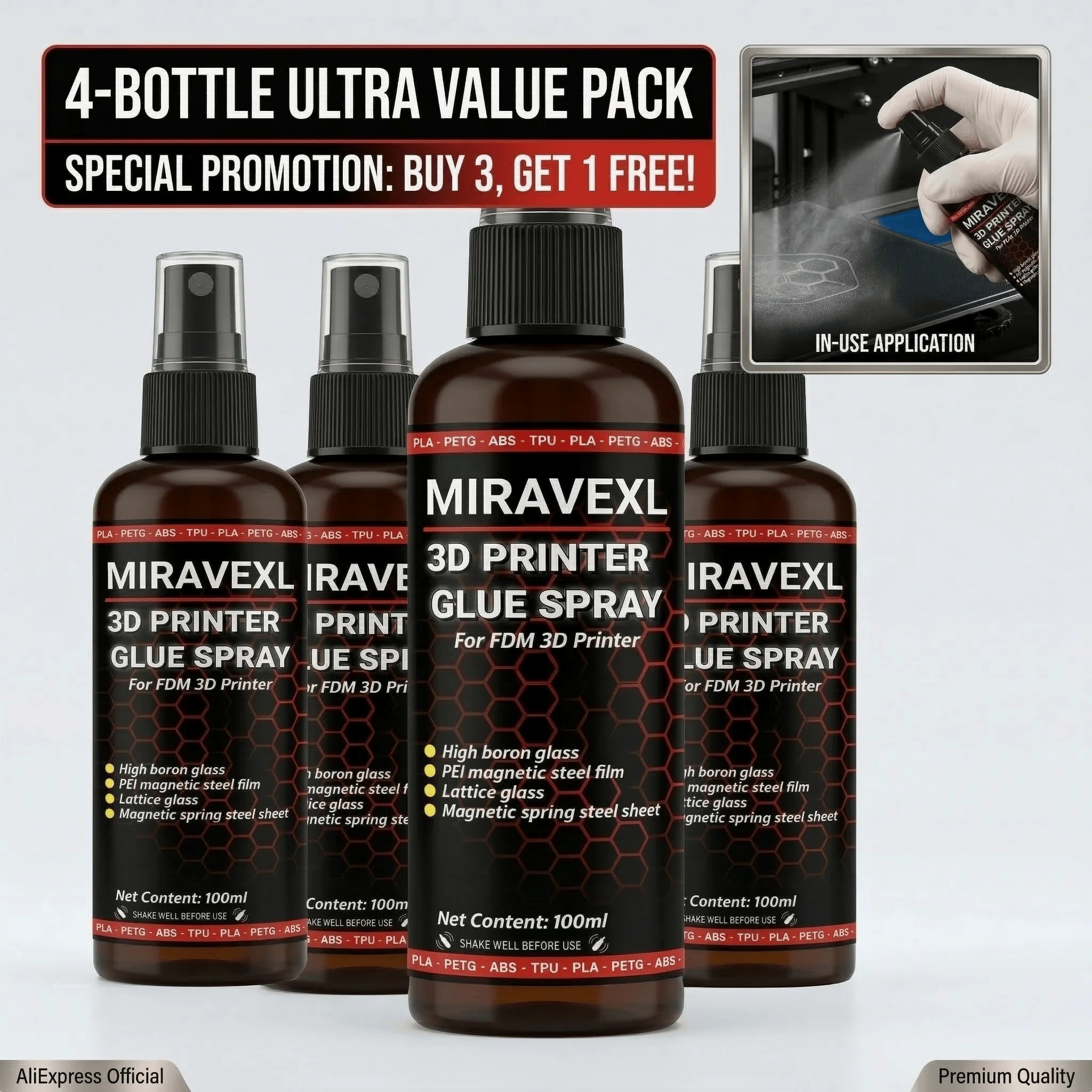
– **Poor adhesion:** Use hairspray, Kapton tape, or a PEI bed surface to improve adhesion. A clean bed is crucial — wipe it down with isopropyl alcohol before every print. If you’re still struggling, bump the bed temperature to 75-80°C and slow down the first layer speed to 15 mm/s.
– **Warping on large parts:** Keep the bed heated between 70-80°C and consider using an enclosed printer to avoid drafts. I’ve also had success adding a brim (5-8 mm wide) to anchor corners. For really large prints, a glue stick on the build plate can provide extra grip.
– **Clogs or jams:** This often happens when the filament absorbs moisture. Dry your PETG at 65°C for 4-6 hours in a filament dryer before printing. Also, check your nozzle — a partial clog can mimic other issues. A cold pull (atomic pull) usually clears it.
– **Layer separation (delamination):** Increase the nozzle temperature by 5-10°C and reduce part cooling fan speed to 30-50%. PETG bonds better with less cooling. If you’re printing in a cold room, enclose the printer or use a draft shield.
Frequently Asked Questions
Is PETG better than PLA for functional parts?
Yes, PETG is more impact resistant, more flexible, and better at handling heat than PLA. However, it is more challenging to print. For parts that need to withstand mechanical stress or outdoor conditions, PETG is the clear winner. PLA is easier but can become brittle over time.
Do I need an enclosed printer to print PETG?
It’s not mandatory, but it helps, especially if you’re printing large parts or in drafty environments. An enclosure stabilizes the ambient temperature, reducing warping and improving layer adhesion. If you don’t have one, try printing in a room with no air conditioning or open windows.
What’s the best temperature for PETG?
I recommend starting with 240°C for the nozzle and 70°C for the bed, adjusting as needed. For Esun, I often go to 245°C for better flow; for Sunlu, 235°C works well to minimize stringing. Always run a temperature tower to find the sweet spot for your specific filament.
Can I mix PETG with other filaments?
Yes, but with caution. PETG can be combined with PLA for multi-material prints, but they don’t bond chemically — use a mechanical interlock (like dovetails) instead. Avoid mixing PETG with TPU or ABS, as temperature requirements differ too much.
How do I store PETG filament?
Store PETG in a dry, airtight container with silica gel desiccant. If it’s been exposed to humidity for more than a week, dry it at 65°C for 4-6 hours before printing. I use a Sovol filament dryer, but a food dehydrator works too. Wet PETG leads to bubbles, popping sounds, and weak parts.
Conclusion
PETG is an excellent choice for functional parts due to its durability and chemical resistance. In our tests, Esun and Sunlu proved to be the most reliable brands, though each has its pros and cons. Adjust your settings and equip your printer with a good filament dryer like the Sovol for the best results. For budget-conscious makers, Overture offers great value, while Polymaker is worth the extra cost for premium finishes. No matter which you choose, take the time to dial in your printer — PETG rewards patience with strong, beautiful prints.
— The DunaTech Team