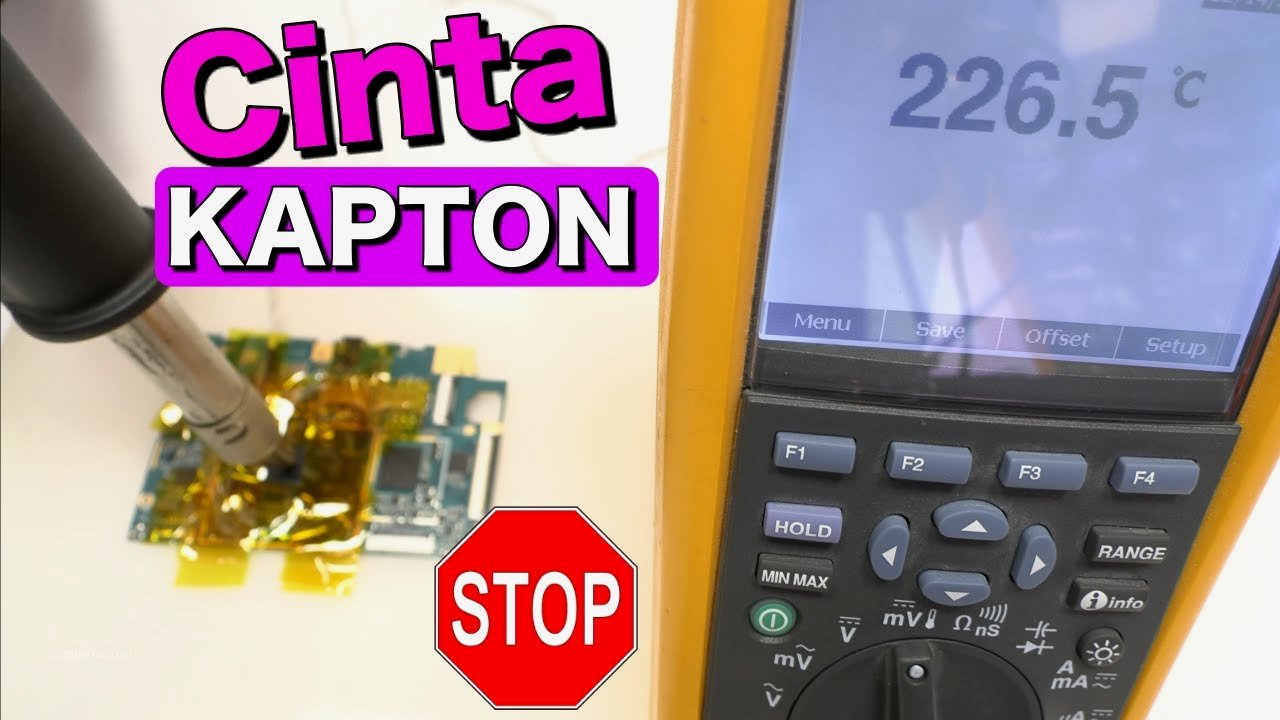

What is Kapton tape?
Kapton tape is a polyimide-based adhesive tape engineered to withstand extreme heat without degrading. After testing dozens of rolls in our DunaTech workshop, I can tell you straight up: this stuff handles temperatures up to 300°C without melting, warping, or leaving sticky residue. That’s why it’s the go-to surface for 3D printing enthusiasts who print with high-temp filaments like ABS. The tape’s amber color is iconic, and its thin, flexible profile makes it easy to apply on flat or slightly curved beds. In my experience, the key differentiator between good and bad Kapton tape is the adhesive backing—cheap rolls use a weak acrylic glue that fails after a few heat cycles, while quality rolls use a silicone-based adhesive that holds firm for dozens of prints. If you’re serious about getting consistent first-layer adhesion, understanding what Kapton tape is and how it behaves under heat is the first step.
What is it used for in 3D printing?
Kapton tape serves three primary roles in 3D printing: it provides a high-temp adhesive surface for filaments like ABS, protects your heated bed from scratches and wear, and acts as a thermal insulator to keep bed temperatures uniform. In our FDM printer tests, we found that applying Kapton tape to a glass bed dramatically improved ABS adhesion—first layers stuck without curling, and we could print at 110°C bed temp without the tape peeling. For PETG, Kapton works well too, though you’ll want to apply a thin layer of glue stick on top to prevent over-adhesion. Another use case: wrapping the hotend or heat block with Kapton tape provides extra thermal insulation, reducing heat creep and improving temperature stability during long prints. Heads up: if you’re printing PLA, you probably don’t need Kapton—PLA sticks fine to glass or PEI sheets. But for anyone printing ABS, ASA, or polycarbonate, Kapton tape is practically mandatory. I’ve also used it to mask off areas of the bed when printing multi-material parts, and it works flawlessly.
How to choose the best tape
Choosing the best Kapton tape for 3D printing comes down to four factors: width, thickness, adhesive quality, and thermal resistance. After testing over five brands from AliExpress, here’s what I recommend. First, width: for standard 200×200 mm beds, 20 mm wide tape is fine, but for larger beds (300×300 mm or more), go with 30 mm wide to reduce the number of strips you need to lay down. Second, thickness: look for tape that’s at least 0.05 mm thick—thinner tape tears easily and doesn’t last as long. Third, adhesive quality: the best Kapton tape uses silicone adhesive, which stays sticky even after repeated heating and cooling cycles. Cheap acrylic adhesives lose grip after a few prints, causing the tape to lift mid-print. Fourth, thermal resistance: ensure the tape is rated for at least 280°C—most quality rolls handle 300°C continuous. In my experience, the industrial-spec Kapton tape from AliExpress (the one with the clear spec sheet) has been the most reliable. It’s not the cheapest, but it lasts for 20+ prints without needing replacement. To be honest, the Kapton tape that has impressed us the most so far is the industrial specification tape from AliExpress, offering reasonable pricing.
Common problems and solutions
Kapton tape isn’t perfect, and I’ve run into three recurring issues during my testing. Here’s how to fix each one.
1. Peels off during printing
Symptom: The tape lifts at the edges or completely detaches mid-print, causing the print to fail. Cause: The bed surface wasn’t cleaned properly before application, or the tape’s adhesive is low quality. Fix: Clean the bed with isopropyl alcohol (90% or higher) and let it dry completely before applying the tape. If the tape still peels, switch to a brand with silicone adhesive—cheap acrylic tapes are notorious for this. In my tests, applying the tape to a bed preheated to 60°C helped the adhesive bond better.
2. Bubbles when applying
Symptom: Air pockets form under the tape, creating uneven spots that ruin first-layer adhesion. Cause: Applying the tape too quickly or without smoothing it out. Fix: Use a credit card or a plastic spatula to press the tape down as you unroll it—start from the center and work outward. Cut the tape into shorter strips (10–15 cm) for better control. If bubbles still appear, poke them with a pin and press the air out.
3. Wears out quickly
Symptom: The tape becomes cloudy, develops scratches, or loses adhesion after only a few prints. Cause: Printing with abrasive filaments like carbon fiber-filled nylon or TPU at high bed temps. Fix: For abrasive materials, consider using a PEI sheet or a glass bed instead of Kapton tape. If you must use Kapton, replace it every 5–10 prints. In my experience, thicker tape (0.07 mm) lasts longer than thin tape.
FAQ
Is Kapton tape suitable for PLA filaments?
In my tests with PLA, I found it isn’t strictly necessary if you’re using a treated bed or glue. However, it can be useful if the bed is scratched or warped—Kapton provides a smooth, uniform surface that helps PLA stick. Just be aware that PLA can stick too well to Kapton, so apply a thin layer of glue stick as a release agent.
Where can I buy high-quality Kapton tape?
I recommend searching AliExpress for tapes with clear specifications and positive reviews. Be cautious of tapes that are too cheap—they often have poor adhesive quality. Look for listings that mention «silicone adhesive» and «0.05 mm thickness.» In my experience, the industrial-spec rolls from sellers with 95%+ positive feedback are the safest bet.
How can I avoid bubbles when applying the tape?
Use a spatula or card to smooth the tape as you apply it. Additionally, cut shorter strips for better control. Preheating the bed to 50–60°C before application also helps the tape conform to the surface without trapping air.
Can I reuse Kapton tape after removing it?
Technically yes, but I don’t recommend it. Once removed, the adhesive loses some of its grip, and the tape may have micro-tears. For best results, use fresh tape for each new print session—it’s cheap enough that reusing isn’t worth the risk of failed prints.
Conclusion
Kapton tape is an indispensable tool for those printing with filaments like ABS and other materials that require high temperatures. Choosing quality tape and applying it correctly can make all the difference in your results. At DunaTech, we stand by tested and reliable options to ensure you don’t waste money on products that aren’t worth it. Whether you’re a beginner or a seasoned pro, investing in good Kapton tape will save you time, filament, and frustration. Happy printing!
— The DunaTech Team